
Equal Rights for Tests
Explore the concept of testing and coding as equal, first-class citizens in software development. Learn practical tips and techniques to elevate testing's role and improve overall quality.

Kill All Mutants! - Intro to Mutation Testing
Discover mutation testing: a powerful technique to evaluate and improve test suites by creating altered code versions. Learn benefits, drawbacks, tools, and practical examples.

Many an `any` - std::any
Explore implementation strategies for std::any, examining ABI restrictions, performance impact, compile time effects, and C++20 modules influence. Includes micro-benchmarks and complete implementations.

Tradeoffs in the Software Workflow
Explore software workflow tradeoffs, balancing fast releases with best practices. Analyze defect detection value and link to core software engineering principles.

Test-Driven Development of C++ Embedded and System-Level Software
Learn TDD techniques for C++ embedded and system-level software, covering design principles, unit testing, dependency injection, and integration testing strategies to improve code quality and developer productivity.
Improving C++ Compilation Times - Tools & Techniques
Explore practical tools and techniques to enhance C++ compilation speed, including benchmarking, precompiled headers, unity builds, and reducing dependencies between components.
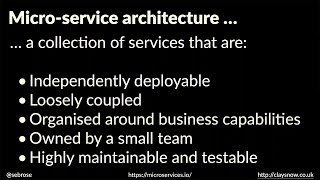
Micro-Service Delivery Without the Pitfalls
Explore strategies for effective micro-service architecture implementation, focusing on contract testing to avoid configuration issues and ensure seamless integration in distributed systems.
How Bloomberg Uses Behavior-Driven Development to Test Distributed Systems
Explore Bloomberg's approach to testing distributed systems using Behavior-Driven Development and the 'behave' framework for enhanced end-to-end coverage and reliability.

Modified Condition - Decision Coverage in Gcc - An Introduction, Motivation, Intuition and Tooling
Explore Modified Condition/Decision Coverage: its importance in safety-critical software, benefits, and implementation using GCC, with insights for automotive and aviation industries.
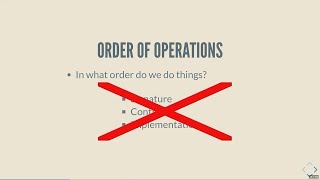
Function Contracts in Practice Using C++
Explore function contracts in C++, covering design principles, implementation strategies, and practical considerations for robust, maintainable, and high-performance software development.
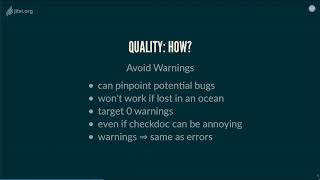
Continuously Checking for Quality of Your Packages
Discover tools and techniques for maintaining high-quality Emacs Lisp packages, including automated testing, linting, and continuous integration setup for GitHub and GitLab.
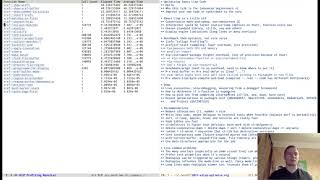
Optimizing Emacs Lisp Code
Explore techniques for optimizing Emacs Lisp code, including benchmarking, live evaluation, and byte-compilation. Learn to identify bottlenecks and choose efficient alternatives for improved performance.

Automated Firewall Testing
Explore efficient automated firewall testing using FreeBSD network stack virtualization, enabling rapid test setup and execution without additional hardware requirements.

A Case Study in Incrementing a Language's Major Version - PHP
Exploring PHP 7's major version upgrade: balancing innovation with backward compatibility, encouraging adoption, and comparing approaches with other programming languages.
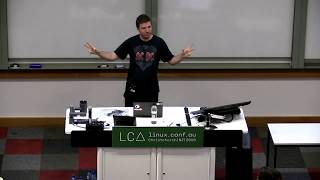
Using Open Source Communities to Provide Uni Students an Insight into the IT Industry
Leveraging open source projects to expose students to real-world IT practices, fostering skills in communication, documentation, testing, and infrastructure management beyond traditional curricula.
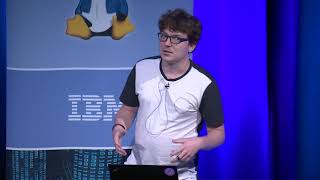
Kernel Hacking Like It's 2020
Explore modern tools and techniques for Linux kernel development, including advanced editors, code completions, linters, debuggers, and automated testing suites.

Improving the Security of Your Code with Free Analysis Tools
Explore free static and dynamic analysis tools to enhance code security. Learn when and how to use these tools in development to reduce vulnerabilities and produce more secure software.
Compiling Your Story - Using Techniques from Compiler Design to Check Your Narrative
Explore compiler techniques applied to narrative design, enhancing dialogue error-checking and streamlining testing processes for branching stories in game development.

How to Capture 100G Ethernet Traffic at Wire Speed to Local Disk
Explore high-speed Ethernet traffic capture techniques, hardware considerations, and creative solutions for 100G networks. Learn about performance challenges and optimizations for efficient data processing.
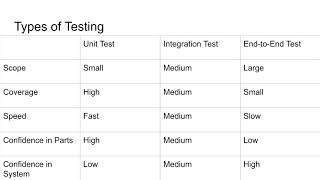
KUnit - Unit Testing for the Linux Kernel
Explore KUnit, a lightweight unit testing framework for the Linux kernel. Learn its benefits, implementation, and future roadmap for enhancing kernel development and testing practices.
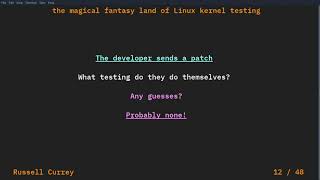
The Magical Fantasy Land of Linux Kernel Testing
Explore automated Linux kernel testing methods, from CI to hardware tests, aiming for a bug-free, efficient development process in this comprehensive overview.