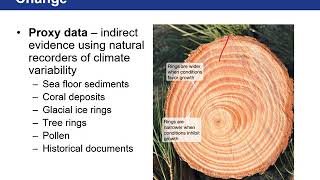
Climate Change
Explore Earth's climate system, natural and human-caused changes, greenhouse effects, and future scenarios. Understand climate data, global warming impacts, and ocean changes.
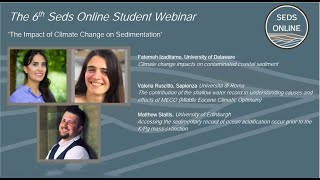
The Impact of Climate Change on Sedimentation
Explore climate change's impact on coastal sediments, ocean acidification, and ancient warming events through expert presentations on cutting-edge research and novel geochemical techniques.
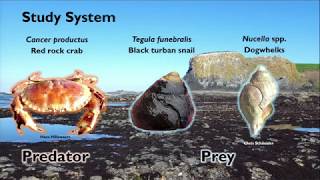
Predator-Prey Interactions Between Crabs and Gastropods
Explore climate change impacts on crab-snail predation dynamics in modern and fossil ecosystems, examining shell repair patterns and ocean acidification effects across time and geography.
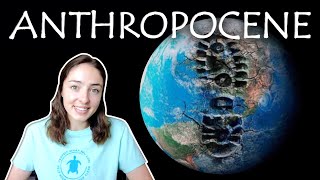
The Anthropocene Epoch - GEO GIRL
Explores the Anthropocene epoch, detailing climate change impacts on ecosystems, oceans, and human life. Discusses greenhouse gases, migration, water scarcity, and positive feedback loops, concluding with actionable steps for mitigation.
Science on Tap: Secrets of Seagrass Part 2
Explore seagrass ecosystems, their importance, and challenges they face. Learn about different species, habitat restoration, and cutting-edge research techniques in marine conservation.
The Major Causes of Mass Extinction Events in Earth History
Explore the top causes of mass extinctions: global warming, CO2 increase, and ocean anoxia. Learn how these factors trigger catastrophic events and their devastating effects on Earth's biodiversity.
How Earth's Lithosphere Affects and Is Affected by Climate Change
Explore the lithosphere's role in Earth's climate system, from rock weathering to carbon burial. Learn how geological processes impact global climate and life on our planet.
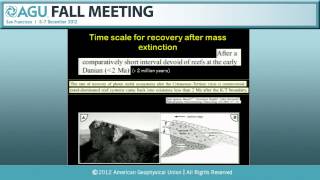
Ocean Acidification: Impacts and Challenges - Special Lecture
Explores the impacts of rising CO2 levels on ocean chemistry and marine life, discussing potential consequences for calcification, adaptation, and ecosystem survival in the face of rapid acidification.
Ocean Acidification - Impacts, Challenges, and Policy Responses
Experts discuss ocean acidification's impacts on ecosystems, economy, and society, exploring mitigation strategies and policy implications for addressing this critical environmental challenge.
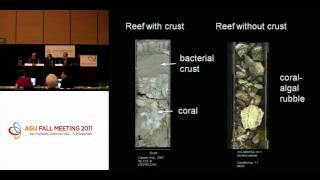
Ocean Acidification Impact on Coral Reefs - Press Conference
Experts discuss ocean acidification's impact on coral reefs, examining natural occurrences, lab simulations, and historical data to understand mechanisms and ecosystem vulnerability.
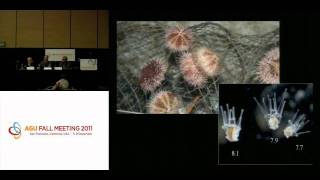
Ocean Acidification: Physiological Tipping Points for Marine Species - Press Conference
Experts discuss new research on ocean acidification's impact on marine species beyond corals, revealing stunted growth and development in fish, crustaceans, and sea urchins due to lower pH levels.
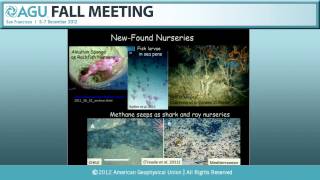
Deep Margins Under Pressure - Climate Change and Human Impacts on Continental Slopes
Exploring deep continental margins: their ecological importance, vulnerability to climate change, and challenges from human exploitation. Calls for improved stewardship of these crucial deep-ocean ecosystems.
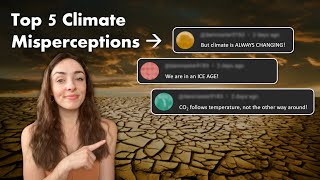
Busting Climate Change Myths - How Climate Change Actually Works
Debunking common climate change misconceptions, explaining the science behind global warming, and addressing the impact of CO2 on Earth's ecosystems and oceans.
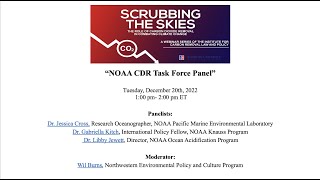
NOAA's Carbon Dioxide Removal Research Strategy - Webinar
Explore NOAA's carbon dioxide removal strategy, including research needs, agency assets, and equity considerations in climate change mitigation efforts.

Machine Learning and the Earth David Hall
Explore machine learning's potential in addressing urgent global challenges like climate change, with insights on strategies, risks, and implications for various fields.

The Threat of Ocean Acidification
Explore ancient seabeds and corals to understand climate history, set baselines for current climate issues, and track the alarming rise of ocean acidification.
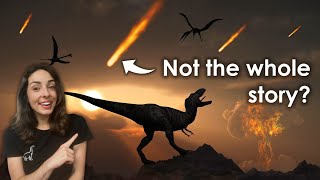
What Killed the Dinosaurs - The Series of Events Following the Asteroid Impact
Explore the catastrophic chain of events that led to dinosaur extinction, from the initial asteroid impact through global climate changes, and discover how life eventually recovered on Earth.
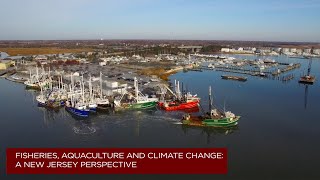
Fisheries, Aquaculture, and Climate Change: A New Jersey Perspective
Explore climate change impacts on New Jersey's coastal ecosystems and fishing industries, examining adaptation strategies for sustainable marine resource management.
Adaptive Potentials of Marine Calcifiers in an Ever-Changing Ocean
Explore adaptive potentials of marine calcifiers amid ocean changes, focusing on their resilience and evolutionary strategies in response to environmental shifts.

Life on a remote Arctic research station | Esther Horvath | TEDxDanubia
From a childhood dream shaped by borders to documenting the most remote places on Earth in Antarctica and the Arctic, Esther Horvath takes us into the polar night of the northernmost community and the fastest‑warming place on the planet. There, she reveals the people who live far from their loved on