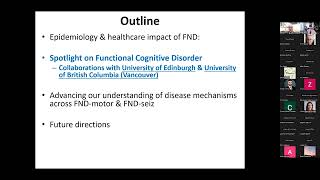
What Can Neurology Learn from Functional Neurological Disorder - Clinical, Neurobiological and Programmatic Insights
Explore clinical, neurobiological, and programmatic insights into Functional Neurological Disorder and its implications for neurology.
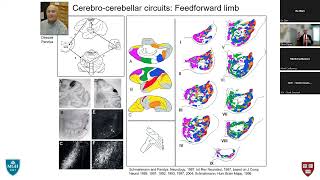
Cerebellar Function and Neuropsychiatry - November 16, 2023
Explore cerebellar function's role in neuropsychiatry, delving into its impact on cognitive and emotional processes beyond motor control.
Natural Language Processing in Mental Health
Explore how natural language processing can extract mental health indicators from everyday language, aiding neuropsychiatry while considering potential risks and ethical implications.
Can Religion Enter the Laboratory? - Exploring Science and Faith
Evrenin akıllı tasarımı ve bilimsel yaklaşımla din arasındaki ilişkiyi inceleyen konuşma. Tasarım ve veri tabanı kavramlarıyla evrenin varoluşunu sorgulayarak, din ve bilimin uyumunu tartışıyor.
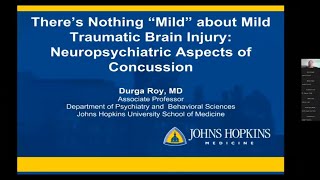
There's Nothing 'Mild' about Mild Traumatic Brain Injury: Neuropsychiatric Aspects of Concussion
Explore neuropsychiatric aspects of concussion and mild traumatic brain injury with Dr. Durga Roy, challenging the notion of "mild" in these conditions.
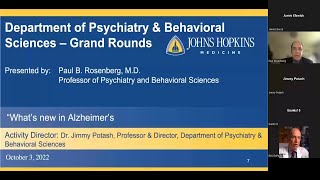
What's New in Alzheimer's Disease - Grand Rounds
Explore recent developments in Alzheimer's disease research with Dr. Paul Rosenberg's insightful presentation at Johns Hopkins Psychiatry Grand Rounds.
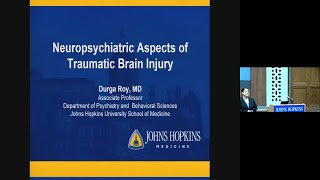
Neuropsychiatric Aspects of Traumatic Brain Injury
Explore neuropsychiatric aspects of traumatic brain injury with Dr. Durga Roy in this Johns Hopkins Psychiatry Grand Rounds presentation.
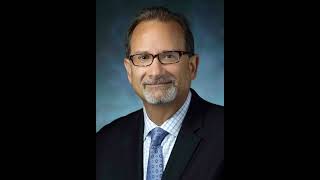
Alzheimer's Disease and Associated Dementias
Explore Alzheimer's disease, its distinctions from other dementias, recent research, treatment approaches, and early diagnosis methods with a leading expert.
PTSD, Psychological Trauma and Head Injuries: New Brain Imaging Insights
Neuroscientists explore cutting-edge brain imaging and olfactory research to understand psychological trauma, head injuries, and PTSD, revealing new insights into memory triggers and brain function.
Deriving Brain Stimulation Targets Using Causal Mapping of Human Brain Function
Explore causal mapping techniques for identifying brain stimulation targets, enhancing understanding of human brain function and potential therapeutic applications.
Causal Mapping of Symptoms onto Human Brain Circuits
Explore causal mapping of neuropsychiatric symptoms onto brain circuits. Learn lesion network mapping, depression localization, and therapeutic applications in addiction and epilepsy.
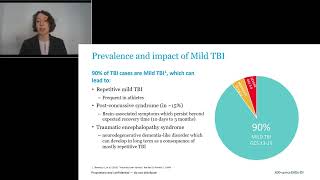
Delivering Patient-Centric Care in Assessing Mild Traumatic Brain Injury Through Novel Brain Biomarkers
Explore novel brain biomarkers for assessing mild traumatic brain injury (mTBI), improving patient care, reducing unnecessary CT scans, and enhancing emergency department efficiency.
Assembling the Brain - Understanding Neural Circuit Development Through Lab-Grown Models
Discover groundbreaking research on brain organoids and assembloids, exploring how these lab-grown neural models help understand psychiatric disorders and early brain development for potential new treatments.

The brain | Esther Hale | TEDxChengdu Intl School Youth
What is the brain? Esther Hale, a senior at Chengdu International School, strives to answer this question as she explores the various mental health disorders around the world. This talk was given at a TEDx event using the TED conference format but independently organized by a local community. Learn
Εν–Συν–Αίσθηση: τρεις συλλαβές για να συναντηθούμε ξανά | Maria Valeria Karakasi | TEDxKomotini
Τι συμβαίνει όταν η ψυχιατρική διάγνωση υποχωρεί για να δώσει χώρο σε μια αυθεντική ανθρώπινη συνάντηση; Μέσα από την καθημερινή επαφή με την ψυχική οδύνη, εξερευνούμε τη διαφορά μεταξύ του «λυπάμαι» και του «νιώθω μαζί σου». Είναι μια πρόσκληση να ανακαλύψουμε ξανά τη σιωπή ανάμεσα στις λέξεις, υπε

Computational psychiatry and the future of mental health care | Etienne Atangana | TEDxUMiami
Behavioral addictions are widespread, deeply stigmatized, and often poorly treated. Etienne Atangana, a senior neuroscience student researcher at the University of Miami, has seen this firsthand through his personal experience with behavioral addiction and navigating the mental health care system. I

Czas na rewolucję w psychiatrii! | Zofia Smoleń | TEDxKatowice
Psychiatria od zawsze opiera się na rozpoznawaniu objawów, a nie przyczyn zaburzeń. Leczymy więc to, czego nie rozumiemy — metodą prób i błędów. Wynika to z trudności w powiązaniu objawów z licznymi czynnikami biologicznymi, społecznymi i genetycznymi. Dziś jednak mamy narzędzia do analizy wielkich