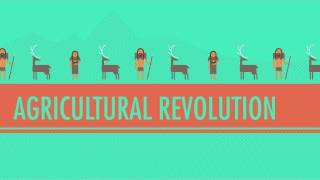
World History by CrashCourse
In 42 episodes, John Green will begin teaching you the history of the world! This course is based on the 2012 AP World History curriculum, from growing the first crops in the First Agricultural Revolution to global textile production in the 2010s.

The Origins of World War I - France Since 1871 - Lecture 13
Explore the diplomatic, imperial, and nationalist factors leading to World War I, including shifting alliances, British Empire's role, and mounting tensions in Europe.

New Imperialism and the Origins of the Boy Scouts - European Civilization 1648-1945 - Lecture 15
Explore the New Imperialism era, examining religious, economic, and political motives behind European colonial expansion and its cultural impact, including the creation of the Boy Scouts movement.
Social Science
Comprehensive exploration of world history, Indian history, and social sciences, covering revolutions, civilizations, wars, colonialism, and modern developments in politics, economics, and environment.

The Broken Heart of America - St. Louis and the Violent History of the United States
Explore St. Louis's pivotal role in shaping American history, from imperialism and racism to radical resistance, with insights from Walter Johnson's book and expert panel discussion.

Cruel Colonialism - Imperial History
Explore the dark side of imperialism, from Leopold II's Congo to British penal colonies, examining brutal practices, uprisings, and conflicts that shaped colonial history.

From Cotton Fields to Choice: Reclaiming Land and Legacy | Troy Bridgeforth | TEDxBoston
Cotton carries a complicated history—one rooted in exploitation, loss, and forced labor. But for Troy Bridgeforth, it also carries a story of choice, resilience, and reclamation. In this talk, Bridgeforth traces his family’s journey across five generations of cotton farming, beginning with post–Ema
L'umanità è un verbo | Grace Fainelli | TEDxReggioEmilia
Il linguaggio non descrive soltanto il mondo: decide chi conta e chi no. Grace Fainelli smaschera le gerarchie coloniali nascoste nelle parole e propone un cambio di prospettiva: l’umanità non è un’etichetta statica, ma un verbo che impariamo a coniugare insieme, allargando lo sguardo attraverso div