The Gendered Politics of New Nationalisms - Lecture 4
Experts explore gender dynamics in new nationalisms, examining global citizenship and belonging in the 21st century through sociological, legal, and political perspectives.
Rights, Duties, and Responsibilities in Citizenship - Part 1 of 4
Experts explore rights, duties, and responsibilities in citizenship, examining historical perspectives, legal implications, and societal inequalities. Panel discussion and Q&A delve into complex issues of belonging in modern society.

Queer Theory and Gender Performativity - Lecture 23
Explore Judith Butler's queer theory, gender performativity, and their relation to Foucault's work. Examine key concepts, methodologies, and implications for identity politics and literary analysis.
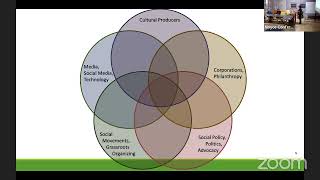
Seeing Others - How Recognition Works and How It Helps Heal a Divided World
Explore the power of recognition in bridging societal divides and fostering healing, with insights on its mechanisms and transformative potential for a more unified world.
Rethinking Race and Identity Politics
Explore critical perspectives on race and identity politics, examining their impact on society and challenging conventional narratives in this thought-provoking discussion.

Can Americans Resist the Pull of Tribalism? - Forging National Identity Beyond Group Differences
Exploring the impact of tribalism on American society and politics, examining group identities, and discussing ways to forge a unified national identity while addressing inequalities.

Intersectionality - Paving the Path Forward for DEI Communities Through Partnership
Explore strategies for advancing DEI through intersectional partnerships, fostering inclusive communities and driving meaningful change in tech and open source.

Great Expectations: Candidate Reliance on Voters of Color
Explore the complex dynamics of race in voting patterns, political strategies, and voter engagement, examining how parties appeal to and potentially take for granted voters of color.
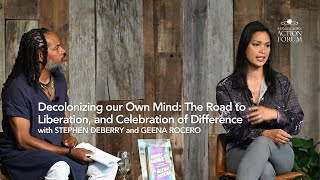
Decolonizing Our Own Mind - The Road to Liberation and Celebration of Difference
Explore the journey of decolonizing minds, embracing liberation, and celebrating diversity. Gain insights into challenging societal norms and fostering inclusive perspectives for a more equitable world.

Pluralism, Identity, and Diverse Democracies in Modern France
Exploring Jewish identity in France amid secularism debates, examining challenges of minority groups in diverse democracies, and seeking paths to cultural flourishing and mutual understanding.
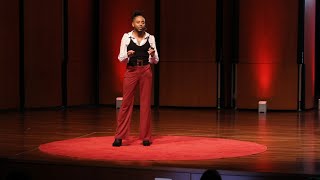
Transcending to the Center of Your Intersectionality - Navigating Gender Identity
Explore navigating gender identity intersections with Alphonso Mills, an advocate for sexual health awareness and HIV education, as they share insights on living authentically and promoting health equity.

Is It Healthy for America's Identity to Keep Our Eyes Closed?
Explore how individual identities shape society and the importance of questioning our roles in systems that aren't working, with insights from Bryan Stevenson.

The Revolutionary Power of Diverse Thought
Novelist Elif Shafak explores the importance of diversity, democracy, and cosmopolitanism in response to authoritarianism, emphasizing the power of plurality and the need to embrace complexity in our identities and politics.

The Politics of Fiction
Explore how storytelling transcends cultural boundaries, expands imagination, and challenges identity politics through the power of fiction and shared experiences.
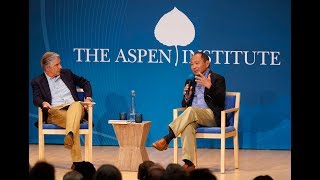
Populism, Polarization, and National Identity
Explore populism, polarization, and national identity with Francis Fukuyama. Delve into the origins of modern identity politics and strategies for creating inclusive national identities based on shared values.

The Politics of Identity and Dissolution
Exploración de la identidad en el cine y la política: Malavika Avinash comparte cómo navega entre la disolución del ego en la actuación y la afirmación de la identidad en la política.
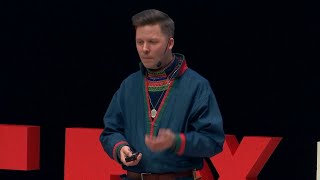
It All Started with the Words "Kiss My Ass"
Explore the hidden history of Sweden's Sámi people, their struggles with colonization, and the journey towards reclaiming identity and cultural pride through personal storytelling and historical insights.

The West’s Harmful Fascination with the East
Explore the complex dynamics of Western fascination with East Asian culture, examining historical roots, contemporary manifestations, and implications for identity and representation.
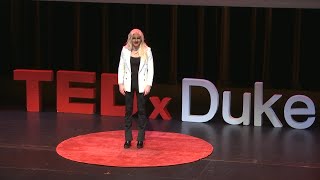
Platform - Heels and Pitfalls
Brett Ries shares his journey from South Dakota farm boy to LGBTQ+ activist and drag queen at a top law school, emphasizing how embracing one's identity can be a powerful platform for change and personal growth.

Polarizarea: meciul pe care îl pierdem cu toții | Nicu Ștefănuță | TEDxIasi
Nicu Ștefănuță a adus în prim-plan nevoia de a depăși polarizarea politică și de a reconstrui dialogul între oameni. El a vorbit despre tendința tot mai accentuată de a ne închide în propriile sfere, în care ajungem să ne expunem doar la opinii care seamănă cu ale noastre. Nicu Ștefănuță este europa

Sfiduciati. È davvero colpa dei social media? | Giovanni Boccia Artieri | TEDxRimini
Quali sono le cause dell’attuale crisi di fiducia nella società? Si analizzeranno le fragilità della democrazia nell'era della comunicazione digitale, evidenziando tre ferite: post-affidabilità, piattaformizzazione e fringification. La democrazia soffre di autoimmunità comunicativa, dove la libertà