Updates in Systemic Therapy for Breast Cancer
Comprehensive overview of breast cancer management, covering screening, diagnosis, treatment strategies, and recent advancements in targeted therapies for various subtypes.

Prime Time Alive- Fall Prevention and Safety in the Home
Learn strategies to prevent falls and enhance home safety for older adults, covering key areas like bathrooms, kitchens, and stairs, as well as assistive devices and general safety tips.

The Innate Immunity and the Complement System
Explore innate immunity and complement pathways, covering key components like plasma, WBCs, and natural killer cells. Learn about classical, alternative, and mannose-binding lectin pathways.
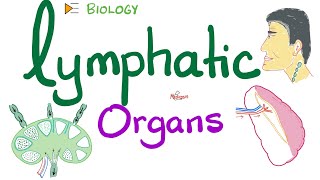
Lymphatic Organs - Primary vs Secondary
Comprehensive overview of lymphatic organs, distinguishing primary and secondary types. Covers key components like lymph nodes, tonsils, and spleen, ideal for medical students preparing for exams.
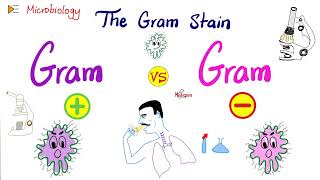
The Gram Stain - Gram-Positive vs Gram-Negative and Bacterial Structure - Microbiology
Explore bacterial structure, Gram staining techniques, and differences between Gram-positive and Gram-negative organisms in this comprehensive microbiology overview.
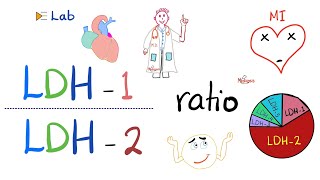
LDH-1 to LDH-2 Ratio and the Flipped LDH - Lactate Dehydrogenase and Heart Attacks
Explore the LDH-1 to LDH-2 ratio and its significance in diagnosing heart attacks. Learn about flipped LDH, other causes, and normal LDH levels for improved clinical understanding.

Plasma and Blood Cells - RBCs, WBCs, and Platelets
Comprehensive overview of blood components, focusing on plasma, red and white blood cells, and platelets. Ideal for medical students preparing for exams or healthcare professionals seeking a refresher.
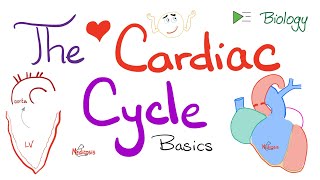
The Cardiac Cycle
Comprehensive overview of the cardiac cycle, exploring heart chambers, pressure-volume relationships, and subphases for a deeper understanding of cardiovascular physiology.
Cell-Mediated Immunity - Physiology Lectures
Explore T-cell immunity's role in destroying cancer, virus-infected, and fungal cells. Learn about T-lymphocyte activation and its impact on various diseases and medical procedures.
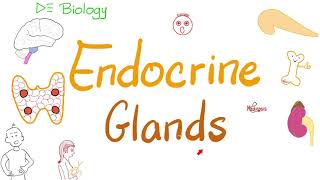
Endocrine Glands - Biology Series
Comprehensive overview of major endocrine glands, their functions, and hormones, essential for understanding body regulation and preparing for medical exams.

Erythropoiesis, EPO, Iron, Vitamin B12 and Folate - Physiology Series
Comprehensive overview of red blood cell production, focusing on key factors like erythropoietin, iron, vitamin B12, and folate. Covers related disorders and their physiological impacts.
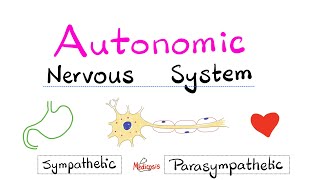
Autonomic Nervous System - Sympathetic vs Parasympathetic - Biology Lectures
Comprehensive exploration of the autonomic nervous system, comparing sympathetic and parasympathetic functions and their effects on various body systems.
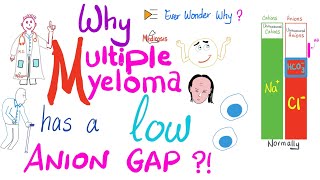
Multiple Myeloma Has a Low Anion Gap - Ever Wonder Why?
Explore the intriguing connection between Multiple Myeloma and low anion gap, unraveling the underlying mechanisms and clinical implications in this concise medical explanation.

Titration of Amino Acids - pH, pKa1 and pKa2 - Amino Acids
Explore amino acid titration, pH, pKa1, and pKa2 concepts. Learn about glycine, glutamic acid, and lysine titration curves, enhancing understanding of amino acid properties and behavior.
Scleroderma Diagnosis and Management
Comprehensive overview of scleroderma diagnosis and management, covering clinical features, tests, differential diagnosis, and treatment options for this complex autoimmune disorder.
Cell Migration, Cell Death - Apoptosis vs Necrosis, Regeneration, Senescence and Aging
Explore cell biology essentials: migration, death mechanisms, regeneration, and aging processes. Gain insights into cellular functions crucial for medical exams and understanding human physiology.
Snow in Medicine
Explore differential diagnosis of fever and rash on palms and soles, with insights on congenital heart disease, tetralogy, clubbing, and pulmonary venous return.
Epinephrine vs Nor-Epinephrine
Comprehensive overview of epinephrine and norepinephrine, exploring their pharmacological differences, receptor interactions, and clinical applications in neurology and cardiovascular medicine.
Acetylcholine vs Nor-Epinephrine
Explore the differences between acetylcholine and norepinephrine in neurotransmission, focusing on cholinergic and adrenergic fibers in the autonomic nervous system.
Acetylcholinesterase Enzyme Plasma Level - Lab - Anesthesiology
Explore acetylcholinesterase enzyme plasma levels in anesthesiology, covering cholinergic agonists, indications, and autonomic pharmacology for enhanced clinical understanding.

The Sympathetic Response - Fight-Flight - Neurophysiology
Explore the sympathetic nervous system's fight-or-flight response, including its functions, the role of the adrenal medulla, and the effects of norepinephrine on the body.