Earth Science
Explore Earth's systems, climate change, and human impacts through expert lectures on topics like carbon cycles, freshwater ecosystems, climate modeling, and glaciology.
Climate
Comprehensive exploration of climate science, covering water security, species impact, human influence, modeling, and future projections. Experts discuss key topics in environmental studies.
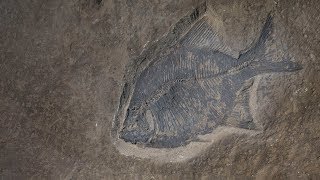
Fossil Fish from the Late Cretaceous of Alberta
Explore fossil fish from Late Cretaceous Alberta, challenges in identifying isolated elements, and new insights into teleost fish history using advanced technology like micro CT scanners.
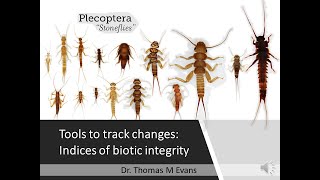
Indices of Biotic Integrity
Learn about Indices of Biotic Integrity (IBIs) in stream ecology, exploring their advantages, disadvantages, and role in assessing ecosystem health through diversity measurements.
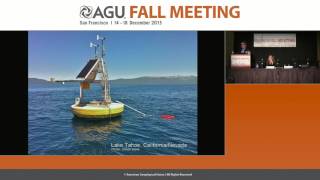
Changing Lake Temperatures on Six Continents - Global Study Findings
Global study reveals changing lake temperatures worldwide, discussing implications for freshwater supplies and ecosystems. Scientists present findings on warming rates, measurement methods, and impacts on wildlife and specific lakes.
The Uncertain Future of the Great Lakes
Explore the challenges and uncertainties facing the Great Lakes ecosystem, including climate change impacts, water quality issues, and conservation efforts.
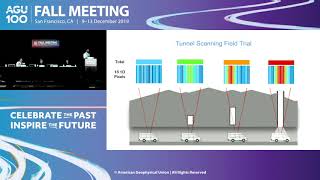
Geoscience Grab Bag - Lunar Dust, Freshwater Evolution, Maritime Activities, and Railway Tunnels
Diverse geoscience research: lunar dust interactions, extreme freshwater evolution, maritime surveillance, and railway tunnel safety. Cutting-edge findings across Earth and space sciences.
Stream Ecology - Light and Its Impact on Aquatic Ecosystems - Lecture 9
Explore the impact of light on stream ecosystems, including its effects on aquatic life and ecological processes. Brief discussion on the ozone hole's relevance.
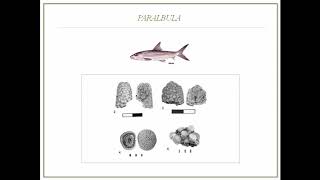
Nonmarine Teleost Fishes from the Late Cretaceous and Early Paleocene of North America
Explore Late Cretaceous and Early Paleocene nonmarine teleost fishes in North America through vertebrate microfossil evidence, presented by Dr. Donald Brinkman of the Royal Tyrrell Museum.
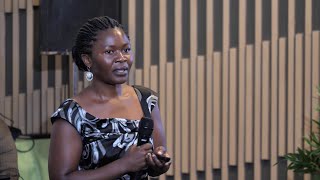
Rethinking Modern Lifestyle - Global Warming and the Urgency for Change
Explore climate change's impact on Lake Victoria's ecosystem and the urgent need for sustainable practices to protect our planet's resources and biodiversity.
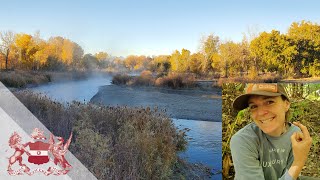
Understanding our Urban Streams Through History, Geography, and Ecology
Explore urban streams' rich history and ecology, examining human impacts, changing perceptions, and new approaches to reconnect city dwellers with nature and each other.