
Hemingway's For Whom the Bell Tolls - Historical Context and Themes - Lecture 16
Explore Hemingway's "For Whom the Bell Tolls" through the lens of the Spanish Civil War, examining themes of foreignness, literacy, and technology's impact on characters' futures.
Successor States of Eastern Europe after World War I - Lecture 20
Explore interwar Europe's political tensions, ethnic conflicts, and economic challenges that set the stage for World War II, focusing on revisionist powers and minority persecution.

Liberal Democracy at Risk - Global Trends and Revival Strategies
Explore global democratic decline, its causes, and potential solutions. Experts discuss threats to liberal democracy and strategies for its revival in this thought-provoking analysis.
Strongmen - From Mussolini to the Present: Exploring Authoritarian Leadership
Explore pathologies of strongman leadership and learn how to reimagine democracy for the 21st century with Dr. Ruth Ben-Ghiat, author and professor of history and Italian studies at NYU.

Hidden Histories of U.S. Internationalists
Explores internationalist ventures during World Wars I and II, drawing parallels to current challenges. Discusses journalists and political figures who advocated for global engagement and their relevance today.
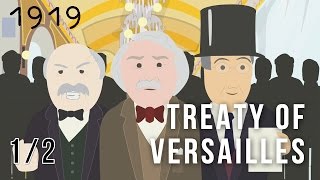
Interwar Period - 1918 - 1939
Explore the tumultuous interwar period, from the Treaty of Versailles to the rise of fascism and communism, through key events, technological advancements, and societal changes that shaped the world between 1918-1939.
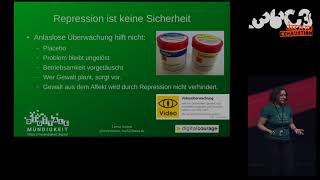
Aus Sicherheitsgründen muss das Grundgesetz leider abgeschafft werden - Schluss mit
Kritische Analyse der Gleichsetzung von Sicherheit und Repression, die Grundrechte gefährdet. Plädoyer für echte Sicherheitsmaßnahmen und Freiheitsschutz statt Überwachung und Angstmacherei in Politik und Wirtschaft.

Madeleine Albright on Fascism - Its History and Signs of a Modern Resurgence
Former Secretary of State Madeleine Albright discusses fascism's history, its modern resurgence, and lessons for preventing its spread, drawing from her book and personal experiences in diplomacy and international relations.

Why Fascism Is So Tempting - and How Your Data Could Power It
Historian Yuval Noah Harari explores the dangers of data consolidation and its potential to empower dictatorships, warning about threats to liberal democracy in the age of information technology.

What’s Behind the Rise of Far Right Politics in Europe | Daphne Halikiopoulou | TED
Political researcher Daphne Halikiopoulou explains how far-right parties worldwide are gaining popularity by tapping into people's economic insecurities and distrust of institutions to cleverly rebrand their right-wing policies.