Introduction to Dynamical Models in Biology
This course is intended to introduce students of biology to elementary mathematical concepts and tools for dynamical models. The course will focus on modeling using ordinary differential equations (ODEs).
Biomolecular Condensates: New Insights into Regulation and Dysregulation of Cellular Compartments
Explore biomolecular condensates and their role in cellular compartment regulation with Professor Richard Young's seminar on cutting-edge chemical biology research.
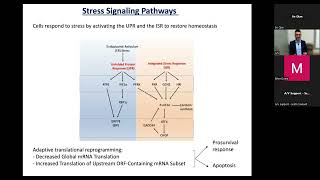
Stress Signaling in Glioblastoma Pathogenesis, Metabolism, and Response to Therapy
Explore stress signaling's role in Glioblastoma stem cells, tumor growth, lipid metabolism, and therapeutic resistance. Gain insights into cutting-edge cancer research.

G-Protein and G-Protein-Coupled Receptors - Cell Surface Receptor - Physiology - Endocrinology
Explore G-Protein and G-Protein-Coupled Receptors, key components in cell signaling. Learn about their structure, activation, and role in physiological processes like neurotransmission and hormone action.
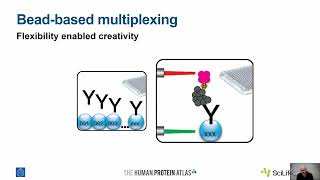
Multiplexed Mapping of the GPCR-RAMP Interactome
Explore G protein-coupled receptors and receptor activity-modifying proteins interactions through multiplexed mapping, uncovering potential therapeutic targets for various human diseases.
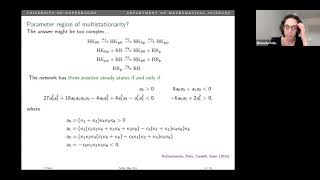
Parametric Polynomial Systems and Biochemical Reaction Networks
Explore parametric polynomial systems in biochemical reaction networks, focusing on multistationarity and the dual futile cycle. Gain insights into steady state analysis and parameter region determination.
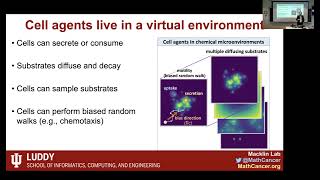
Progress and Next Steps in Agent-Based Modeling of the Hallmarks of Cancer
Explore advancements in agent-based modeling for cancer research, examining current progress and future directions in simulating cancer hallmarks and their interactions.
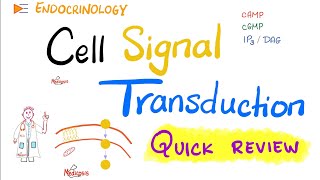
Cell Signal Transduction - Quick Review
Comprehensive overview of cell signaling mechanisms, covering key concepts in biosignaling for medical students and professionals seeking a quick yet thorough review.
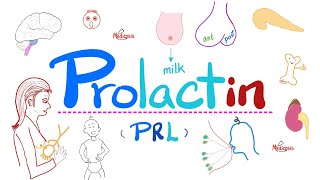
Prolactin - Hyperprolactinemia - Dopamine, TRH - Pathophysiology
Explore prolactin's role in lactation, its regulation by dopamine and TRH, and the pathophysiology of hyperprolactinemia in this comprehensive endocrine physiology overview.

Cell Membrane Structure and Function - Part 2
Comprehensive exploration of cell membrane structure and function, covering advanced concepts and physiological implications for medical students and professionals.
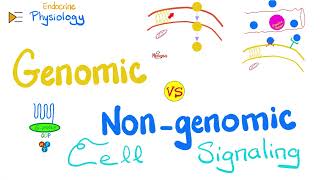
G-Protein - Gq, Gs, Gi, JAK-STAT, RTK, NRTK - Genomic vs Non-Genomic Actions - Cell Signaling
Comprehensive overview of cell signaling mechanisms, including G-proteins, JAK-STAT, and receptor tyrosine kinases. Explores genomic and non-genomic actions, providing insights into hormone-receptor interactions and intracellular pathways.
Lessons Learned by Studying a Mucin-Dependent MAPK Pathway in a Model Fungal System
Explore signal transduction pathways, focusing on MAPK pathways in fungi. Gain insights into signal specificity, shared components, and implications for disease research.
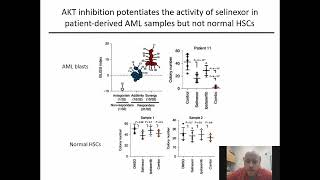
Functional Genomic Interrogation of Tumor Evolution
Explore tumor evolution using genomics and cell signaling. Uncover cancer cell death regulation, survival mechanisms, and drug resistance pathways. Gain insights into potential therapeutic targets.
Many-to-Many Networks: Multifunctional Modules for Multicellularity
Explore how many-to-many protein networks function as versatile computational devices in multicellular organisms and their potential applications in synthetic biology for designing complex behaviors.
Beyond Research: Clinical Utility for Cytokine Testing
Explore cytokine testing's evolving role in clinical applications, from monitoring therapies to detecting cytokine storm syndrome. Gain insights into immune system signaling and its impact on various disorders.
細胞から最期のサイン - 私を食べて!
Discover how cells signal their death and get cleaned up by macrophages, exploring the fascinating mechanisms behind cellular recognition and removal in our bodies.
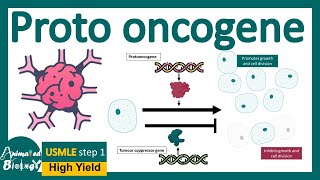
Proto-oncogenes: How They Lead to Cancer - The Biology of Proto-oncogenes
Explore proto-oncogenes and their role in cancer development. Understand the biology behind these genes and their significance in USMLE preparation.

Cytokines: Subclasses and Functions - USMLE Step 1 Review
Explore cytokine subclasses and functions, essential for understanding immune system regulation and preparing for USMLE Step 1 exam.
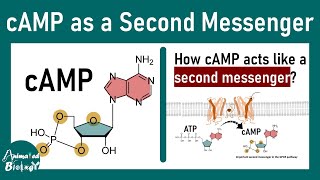
cAMP as Second Messenger - Pathway and Function
Explore the cAMP pathway and its role as a second messenger in cellular signaling, understanding its mechanisms and biological significance.
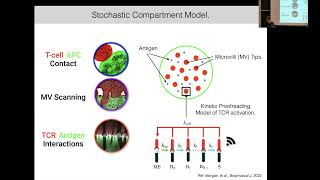
Applications of Extreme Statistics to Cellular Decision Making and Signaling
Explore how extreme statistics influence cellular behavior and decision-making processes, focusing on mathematical approaches in biological signaling systems.