
Carnatic Music - Nottuswaram
Explore Carnatic music through Nottuswarams, learning various compositions and their unique characteristics in this comprehensive musical journey.
Kannada Dalli Carnatic Music
ಕನ್ನಡದಲ್ಲಿ ಕರ್ನಾಟಕ ಸಂಗೀತದ ಮೂಲಭೂತ ಅಂಶಗಳನ್ನು ಕಲಿಯಿರಿ. ಸರಳೆ ವರಸೆ, ಜಂಟಿ ವರಸೆ, ಅಲಂಕಾರ ಮತ್ತು ಗೀತೆಗಳನ್ನು ಒಳಗೊಂಡಿದೆ.
Carnatic Music - Learn to Sing
Explore Carnatic music fundamentals through step-by-step tutorials on Varisai and Sarali Varisai, ideal for beginners learning to sing in this classical South Indian style.
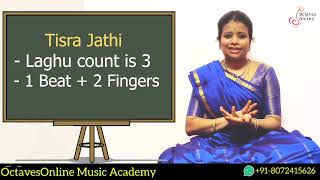
Carnatic Vocal - Thalam
Explore Carnatic vocal rhythms, including Eka, Triputa, Matya, Jampha, Ata, Dhruva, and Chapu Thalam. Learn Soolathi Sapta Thalam and Jathi types in this comprehensive rhythmic journey.
Carnatic-Vocal: Sarali Varisai - 2
Learn and practice Sarali Varisai-2, a fundamental exercise in Carnatic vocal music, with three speeds to improve your singing skills and musical foundation.
Carnatic Music
Explore the fundamentals of Carnatic music, including its history, swaras, ragas, talas, and keyboard techniques. Learn about important composers and practical aspects of this classical South Indian musical tradition.

Defining Personal Success - Lessons from a Musical Journey
Kavya Ajit shares her musical journey, highlighting personal challenges, lockdown insights, and the importance of self-defined success in this inspiring talk about individual paths to achievement.
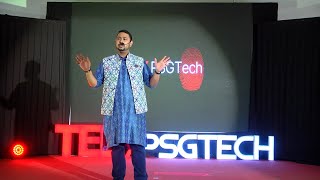
Taking Indian Music Forward - Blending Tradition with Innovation
Versatile musician R P Shravan shares insights on his musical journey, emphasizing classical music's importance, early education, and diverse creative pursuits while exploring personal evolution.
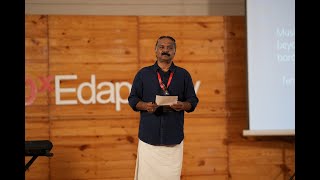
Music Beyond Borders - Ten Popular Music Scales in the World
Explore ten common musical scales worldwide, their versatility across genres, and the interconnectedness of musical elements in different cultures with renowned Carnatic musician Dr. Sreevalsan J Menon.
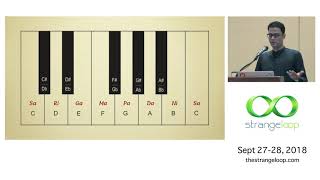
Making Machines That Make Music
Explore the journey of modeling and generating Carnatic music using machine learning. Discover data collection techniques, raga identification, and automatic transcription, with demos comparing machine and human music.

Where Tradition Meets the Present | Dr. Srija Ramakrishna | TEDxAmity University Bengaluru
Traditional art forms survive not because they are old, but because they continue to offer meaning. Indian classical dance, with its rhythm, storytelling, and discipline, carries cultural knowledge that risks being lost if younger generations disengage. Preserving these forms is not about resisting