
IT and Computer Science
Comprehensive exploration of computer science fundamentals, including binary, number systems, operating systems, and cybersecurity, with practical applications and hands-on tutorials.

Building an 8-Bit Breadboard Computer
Learn to build an 8-bit computer from scratch using breadboards, covering clock design, registers, ALU, RAM, program counter, and CPU control logic. Gain hands-on experience in digital electronics and computer architecture.
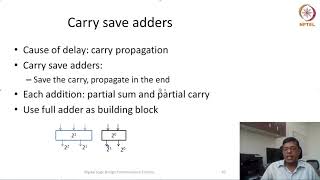
Multiple Operand Adder - Carry Save Adder
Explore carry save adder techniques for efficient multiple operand addition in digital circuits.
Two's Complement
Learn two's complement for efficient binary arithmetic, covering representation, addition, and practical applications in computer systems.
Assembly Language Tutorial - Introduction and Basics
Comprehensive tutorial on Assembly language basics, covering setup, binary operations, registers, and programming concepts for beginners.
6809 Assembly - More Math Operations: Logical Ops, Bit Shifts, and More - Lesson 5
Learn 6809 assembly math operations including logical ops, bit shifts, and more. Enhance your coding skills with practical examples and in-depth explanations.
Intro to Binary and Bitwise Operators in C++
Learn binary representation and bitwise operations in C++, exploring their practical applications and performance benefits in programming.
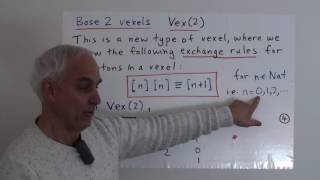
Arithmetic With Base 2 Vexels - Data Structures in Mathematics Math Foundations
Explore binary arithmetic using base-2 vexels, a flexible vertical notation system. Learn advantages, conversion methods, and vertical multiplication techniques for a fresh perspective on number systems.
Puzzles Using Arithmetic - Elementary Mathematics Explained
Engaging arithmetic puzzles for young learners, focusing on powers of two, triangular numbers, and geometric rearrangements to improve problem-solving skills and mathematical thinking.

ALU Design for 8-Bit Computer
Explore the design of an 8-bit computer's Arithmetic and Logic Unit, covering binary addition and negative number representation in digital systems.
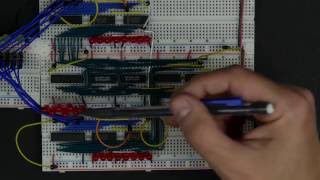
Building the ALU for an 8-Bit Computer
Construct an 8-bit computer's ALU using basic electronic components. Learn about binary addition, logic gates, and digital circuit design principles.

Twos Complement - Representing Negative Numbers in Binary
Explore binary representation of negative numbers, comparing sign bit, ones complement, and twos complement methods. Learn why twos complement is widely used in hardware implementations.
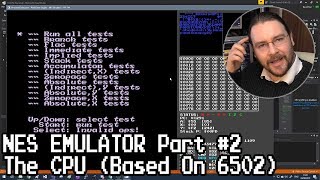
NES Emulator - CPU 6502 Implementation - Part 2
Build a 6502 CPU emulator in C++, focusing on challenging instructions like ADC and SBC. Includes implementation of addressing modes, arithmetic operations, and a lightweight program analyzer.
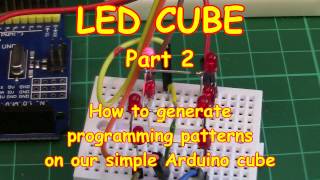
Arduino LED Cube - Creating Patterns
Learn to create patterns on an Arduino LED cube, exploring code concepts and binary arithmetic for efficient pattern generation without libraries. Gain skills applicable to larger cubes.

Binary Number Systems and Conversions
Explore the fundamentals of binary, its applications in computing, and how it forms the basis for digital information storage and processing.

Adding and Subtracting Binary Numbers
Learn to add and subtract binary numbers efficiently, mastering fundamental operations crucial for computer science and digital systems understanding.