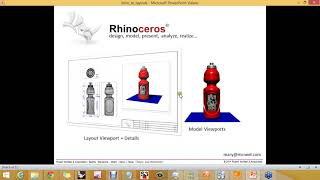
2D & Layouts
Learn to create professional layouts in Rhino 5, including arranging views, scaling, annotations, and printing. Master essential skills for presenting 2D and 3D models effectively in architectural and product design contexts.
Next Generation 2D Hydraulic Modelling
Explore advancements in 2D hydraulic modeling, comparing 1D and 2D approaches through case studies and discussing pros and cons for enhanced reliability and efficiency in open channel simulations.
HEC-RAS 6.0, What You Need to Know - Part Two
Explore new sediment-related features in HEC-RAS 6.0, including mud and debris modeling, 2D and 1D sediment transport, with expert insights from USACE Hydrologic Engineering Center specialists.
Energy Losses at Structures
Explore energy losses in water structures, from form losses to modeling approaches. Learn about constrictions, piers, bridge decks, and industry-standard techniques for understanding and mitigating hydraulic energy dissipation.

Практика построения 2D бассейновой модели - Часть V
Освойте методы построения 2D бассейновой модели в нефтегазовой геологии с помощью практического руководства от эксперта.
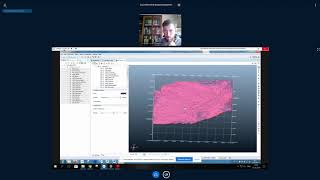
Практика построения 2D бассейновой модели - Часть VII
Освойте методы построения 2D бассейновой модели в нефтегазовой геологии с помощью практического руководства от эксперта.
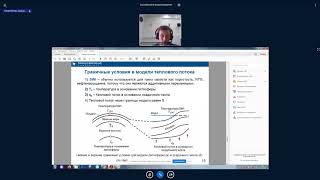
Практика построения 2D бассейновой модели - Часть 3
Освойте методы построения 2D бассейновой модели, углубляя знания в геологическом моделировании и анализе осадочных бассейнов.
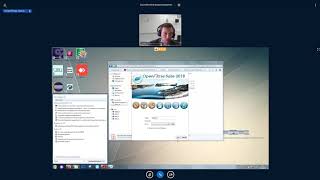
Практика построения 2D бассейновой модели - Часть I
Освойте методы создания двумерной бассейновой модели, изучая ключевые этапы и инструменты моделирования геологических процессов.

Практика построения 2D бассейновой модели - Часть 10
Освойте методы построения 2D бассейновой модели в нефтегазовой геологии под руководством эксперта из Казанского федерального университета.

Практика построения 2D бассейновой модели - Часть VI
Освойте методы построения 2D бассейновой модели в нефтегазовой геологии с помощью практического руководства от эксперта.
Introduction to Simulation and Ansys for Developers
Explore numerical simulation basics and its practical applications using PyMAPDL, with a focus on modeling a 2D bridge scenario. Learn how simulation tools can enhance understanding of everyday phenomena.
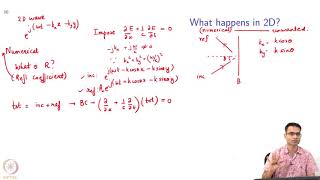
FDTD: Materials and Boundary Conditions - Absorbing Boundary Conditions in 2D
Explore absorbing boundary conditions in 2D for FDTD simulations of materials, enhancing understanding of electromagnetic wave propagation and computational techniques.
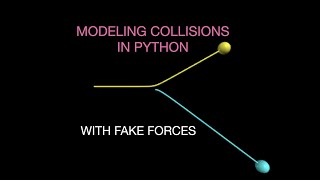
Modeling 2D Collisions in Python with Fake Forces
Simulate 2D collisions using Python and fake forces. Learn a simplified approach to modeling object interactions in programming.